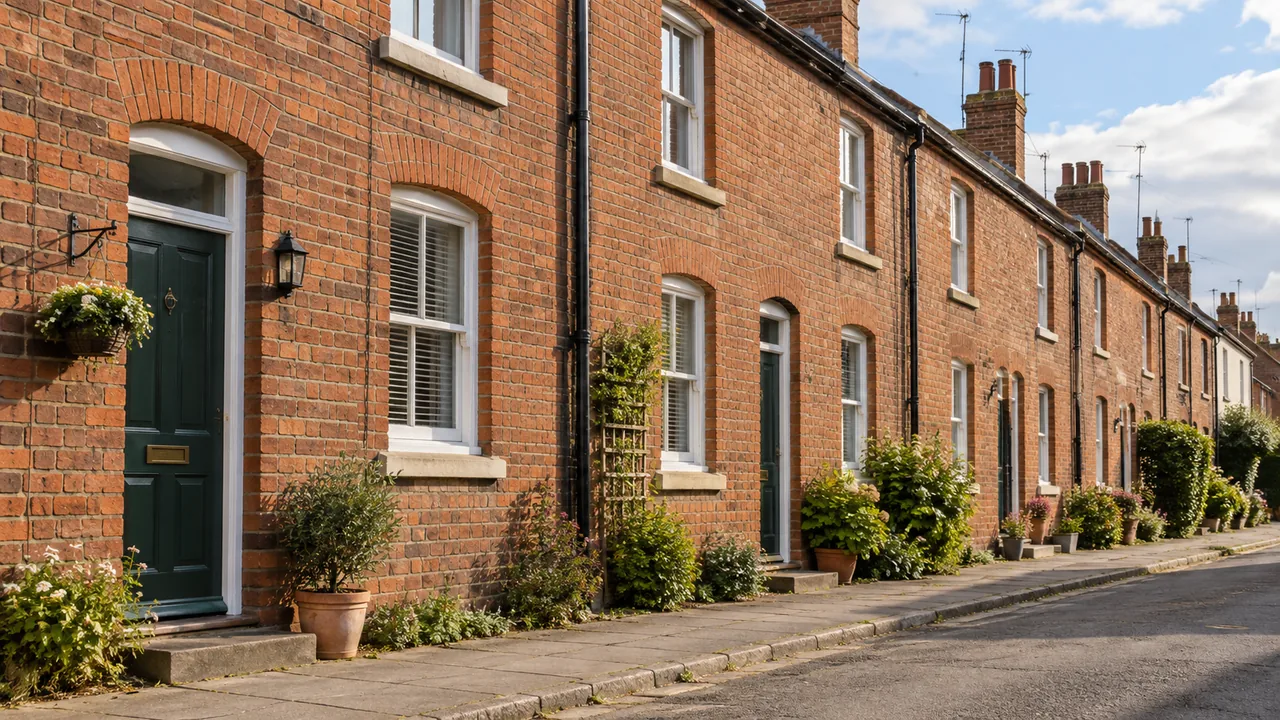
A house can look promising on a screen and feel quite different when you stand outside it. The room photographs may show a manageable refurbishment, while the approach reveals difficult parking, an awkward neighbouring use or a setting that changes who will want to live there. For an investor based elsewhere, those details are easy to miss.
Looking at a Lincolnshire property means looking at the street as well as the building. This is not about finding a postcode that sounds attractive. It is about understanding the particular home, the likely resident and the evidence supporting the proposed exit.
Begin with the person who may live there
A practical assessment asks who the completed home is likely to suit. Think about its size, layout, outdoor space, access and relationship to nearby amenities. A compact terrace may appeal to a different household from a semi-detached home with a driveway. Neither description establishes demand on its own.
Imagine the everyday journey. Where would a resident park, carry shopping, store a bicycle or take a child outside? How does the entrance work? Are rooms arranged in a way that makes ordinary living comfortable? These questions connect the refurbishment plan to the people who might eventually buy or rent the property.
A renovation can improve the interior, but it cannot move the house. If the proposed resale assumes that buyers will overlook a difficult setting because the kitchen is new, the plan needs closer examination.
Use comparable sales carefully
The asking price of another property is useful context, but it is not proof of an achieved value. The government’s sold property price search is a starting point for researching recorded transactions. Check the underlying dates and details rather than relying on a headline result.
Comparisons need judgement. A nearby home may differ in floor area, tenure, extension, parking, condition or garden size. A property described as having the same number of bedrooms can still be a weak comparable if those other features differ substantially. Recent photographs and local professional input can help explain the gap.
Keep a written note of why each comparison is relevant. If your expected resale relies on the best-looking or highest-priced house in the wider area, ask whether that home really resembles the finished project. It is sensible to examine a range rather than choose one convenient example.
Visit for more than the front-door photograph
A site visit should look beyond the immediate boundary. Notice the surrounding buildings, road layout, access routes and general condition of neighbouring homes. Where appropriate, consider how the setting feels at different times, rather than assuming one quiet viewing represents the whole week.
Parking deserves particular attention where a property has no dedicated space. So does access for refurbishment deliveries, waste removal and trades. A constraint that seems minor during a viewing can affect the programme once work begins. These observations should feed into the practical plan, not remain informal impressions.
Local knowledge is useful because it provides context and prompts better questions. It is not a substitute for a survey, legal checks or evidence. A familiar street can still contain an unsuitable property, and a less familiar location can still merit proper assessment.
Check location issues through the right sources
Flood information is one example of a check that needs more than appearance. A home may look dry on the day you visit. Use the government’s long-term flood information service as a starting point and discuss the findings with the relevant advisers. Your solicitor’s searches, survey and insurance enquiries serve different purposes.
Other questions may involve access, boundaries, nearby proposals or restrictions affecting the work. Ask the appropriate professional to investigate rather than treating an online map as a complete answer. Record unresolved questions and who is responsible for answering them before a commitment.
The important discipline is to connect each finding to a decision. Does it change the budget, the likely buyer, the insurance position or the intended exit? A list of checks has little value if the results never influence the project.
Lincolnshire is not one uniform market
Lincoln, Gainsborough and other Lincolnshire towns should not be treated as interchangeable. Even within one town, an assessment needs to relate to the particular street and property. A broad description of regional affordability does not establish that a specific purchase is good value.
Ask local selling or letting agents about the type of completed home being proposed. Their observations should be considered alongside transaction evidence and your wider due diligence. If different people give different views, explore the reasons rather than simply choosing the most encouraging answer.
For a retained rental property, the intended tenant and management arrangements need their own assessment. A house that looks saleable after refurbishment is not automatically a suitable rental purchase at the same total cost.
Bring the street back into the numbers
Suppose a property needs slightly less work than another candidate but has a weaker resale position. The lower refurbishment budget may not make it the better project. Compare the complete cost, realistic exit assumptions and uncertainties together. This is an assessment method, not a claim about any particular Oakridge house.
Our Lincolnshire investment guide explains how local assessment fits into the wider process. If you are investing from a distance, ask us to explain the location as carefully as the building. A credible opportunity should make sense in its actual street, not only in its photographs.